
There are some important factors to consider when you are operating a portable radio setup.
First: Determine your power needs.
How long will you be operating? How much power will your radio consume? Will you also be powering a laptop? Once you can determine your max current draw, you can determine the capacity needed for your battery. This capacity is measured in amp-hours.
A 100 Watt Radio at 13.8 volts consumes ~20 amps on transmit and 1 amp on receive. You won’t be transmitting 100% the entire time, but we can assume 50% of the time (50% duty cycle). Let’s assume 11 amp hours per hour (50% of 20 + 50% of 1 =10.5, rounded to 11). That means that if you want to operate for 3 hours, you will need at least a 30-amp-hour battery.
Next: Determine your weight capacity.
If you are going to be hiking a long distance, your weight capacity would be different than operating from a local picnic shelter. If you are only moving a few feet from your car to a shelter or table, a lead-acid or deep-cycle battery would be acceptable.
A tip for portable radios, regardless of battery: try to keep your power leads short. Longer power leads can cause voltage drops that may affect radio performance. The long leads may also pick up unwanted interference.
Lead Acid (Car Battery)
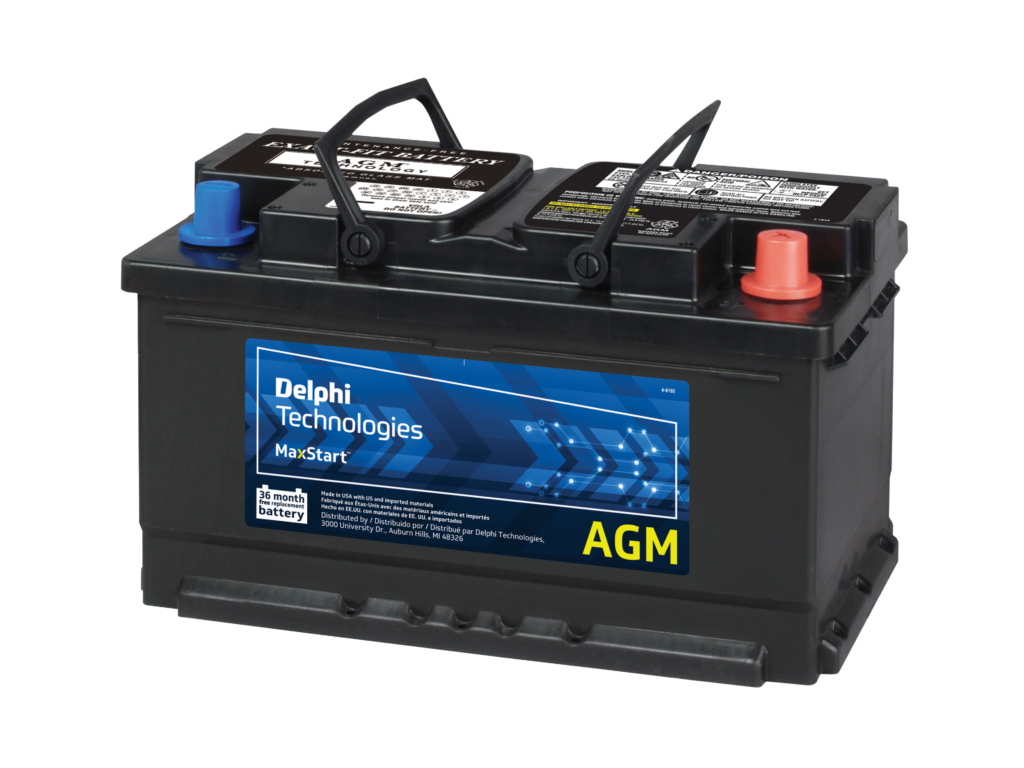
Cost: Low
Weight: Heavy!
The lead-acid battery is one of the most common batteries out there, found in nearly every car. Good budget option, and you can find them at any Walmart or auto parts store. Unfortunately not ultra portable. They will work for portable radios, but have a few limitations.
1. They are extremely heavy! They can weigh more than 30 pounds, and if you are going more than a few feet, this can be a massive problem.
2. You can not use their entire capacity. If you discharge the battery past 50%, you will damage the battery and its future capacity.
Deep Cycle
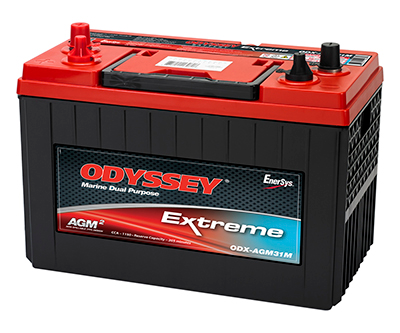
Cost: Medium
Weight: Heavy!
Deep-cycle batteries solve a problem with traditional lead-acid batteries. You can discharge them more than a lead-acid battery, but it is still not a good idea to discharge them all the way. These batteries are not as suited for starting car engines, but are better for low-drain devices like GPS and RV accessories. Unfortunately, they are still as heavy as a traditional lead-acid battery.
LIFEPO4
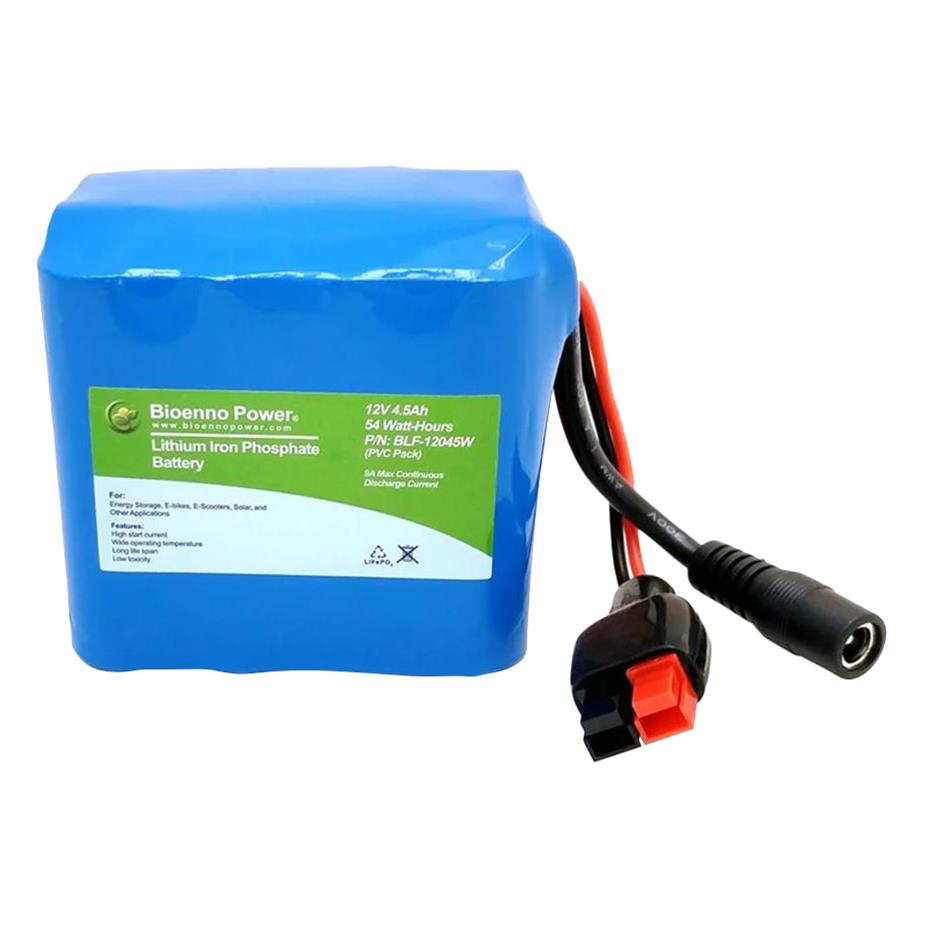
Cost: High
Weight: Low
Lithium Iron Phosphate (LiFePO4) is becoming a favorite in many ham radio setups because of its weight and safety (compared to standard Li-Ion batteries). They can also be discharged more deeply, without negatively affecting battery health (Try not to discharge below 20% capacity). Unfortunately, these batteries are not as common and are more expensive per Watt/Hour.
Battery Safety
Don’t leave lead-acid batteries in a sealed space
Don’t charge any batteries in freezing temps
Don’t tip lead-acid batteries on their sides or upside down – they may leak
Don’t leave batteries in a hot car
Don’t puncture batteries
Don’t store batteries in a way that may cause them to short (terminals touching a metal shelf)
Don’t leave batteries on a charger for extended periods (don’t overcharge)
Solar Power
Solar panels are a great way to extend your battery life for portable operations. You will need to have a solar charge controller to connect to your battery. It would also be wise to test the panels and charge controller if they generate RF noise BEFORE you try to use them in the field. Unfortunately, there are many unshielded controllers that will generate lots of RF noise when connected to power.
I have a set of solar panels that I use in the field. It increases my operating time by several hours. Folding solar panels are pretty light and very easy to deploy. A great investment for any portable station. Here is what I use: https://www.amazon.com/dp/B0748FYFSK?th=1
If the link is dead, the brand is Doikio 100-watt foldable solar panel
Be sure the charge controller is quiet on RF. Nothing ruins fun on the radio more than when you have to deal with noise.
If you plan on charging or powering a laptop via battery, solar becomes more important.
Battery Connections
Most mobile and portable operators prefer using powerpole connections for power, including batteries. The power pole connector is very nice because it prevents you from connecting your radio and battery backwards. Bioenno battieres come with Powerpole connectors pre-installed.
Another pro-tip: Make sure you have fuses on your radio leads! The fuses will protect the radio (and battery). Some fuse holders and fuses cost ~$5. A new radio and battery cost much more than that.
Extending Battery Life in the Field
Some tips on making your portable activations longer
Run at 50 watts instead of 100. The difference is negligible (1 S-unit less)
Use a solar charger
Try using light-duty modes (FT8 and RTTY use more power than CW and SSB)
Bring a charged laptop so you don’t need to worry about charging it from your solar panels or battery
Writer’s Recommendation
If you are powering a 30 to 100-watt radio and can spare the money, a LiFePO4 battery is fantastic. There are many brands out there. Personally, I use a Bioenno Power battery because it comes with pre-installed power pole connectors. The 15 amp-hour is enough for at least 2 hours of operation at full power.
If money is tight, a lead-acid will work, just be sure not to discharge it all the way. Also, keep in mind that hiking with a lead-acid battery is not recommended.
If you plan on hiking and using a small QRP radio, a 3 Ah LiFePO4 battery weighs less than a pound. Don’t try to use a lead-acid battery. They are too heavy to carry.
If you already have a spare battery, use it! Just don’t use your car’s battery to operate your radio. Otherwise, you may not be able to get home after your portable operation.