
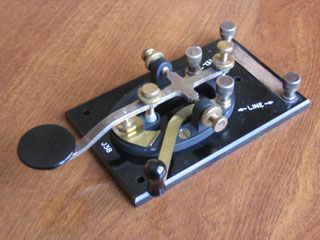
The straight key (sometimes called the hand key) is the “original Morse code key”. You manually create the dits and dahs with the action of your hand.
Should I learn how to use a straight key?
Absolutely! The straight key is a viable tool in today’s radio field. You can find them for sale at nearly every hamfest. You could say it is like driving a stick shift instead of an automatic car.
In my opinion, everyone should start with a straight key. It teaches the operator to make clean code, without the help of timing circuits or computers to generate clean code.
Straight Key vs Paddle
When you are operating CW on the air, you will generally hear code generated from 3 different sources:
Straight Key/Manual Code
Iambic Paddle
Computer generated
Anatomy of a Straight Key
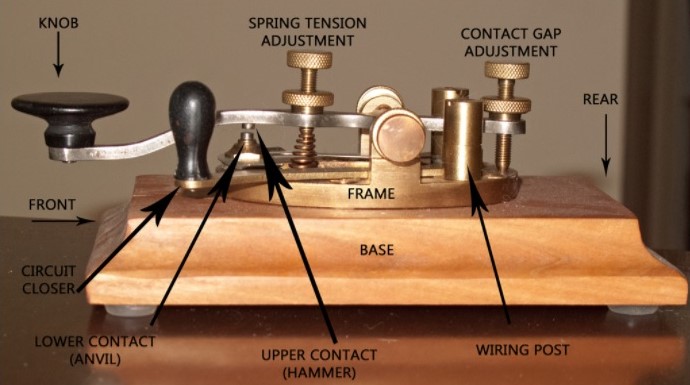
Your fingers rest on the knob. Adjust the contact gap so that there is a small gap between each contact. Some operators suggest a gap that a piece of paper can fit between the contacts and slip out. Adjust the spring tension to your preference.
When you push down on the knob, it connects the contacts and completes the circuit. This causes the radio to enter transmit mode. When you let off the key, the spring pushes the arm up and stops transmitting.
Some keys have a shorting bar; these are used for tuning and equipment testing. For normal operation, make sure that it is not engaged. Otherwise, the circuit will be connected whether you are using the key or not.
The base should be heavy so that the key does not jump around the table. I started with an unfinished wood plaque, sanded and stained it. To add weight, I hollowed the bottom and glued lead weights into the base. To protect the table, I added felt to the bottom. I have also used a steel plate glued to the bottom and attached felt to the bottom.
How do I practice sending with a straight key?
If you are not comfortable being on the air yet, try these methods. Being on the air is the best way to improve your CW skills.
Phone App
There is an Android app called Morse Expert. This app will try to decode the CW it hears. In a quiet room, connect your straight key to a practice osilcator. Adjust the volumne output so that it is easily heard by the app.
Classes
There are classes held by the Long Island CW club that you can practice sending CW to each other. That helps with listening and transmitting. Look for open practice sessions.
VBand
There is a great website. First, you need a VBand adapter (40$) and a Morse code key – most should work. There are some details about how to connect.
Common Beginner Straight Key Mistakes
If you set the contact gap too wide, your characters will be much slower
Spring too tight: tires out the wrist and arm
Gripping/squeezing the knob too hard: Tires out the arm
Pressing too hard, being rough with the key: touching is enough to make contact; no need to slam it down
Putting the key too far away: Shoulder fatigue
Key moves on the desk: characters may be sent incorrectly
Trying to send too fast: if you have to repeat your last transmission, it didn’t save you any time
Inconsistent dits, dashes and spaces. Be consistent, even if you are slower.
Poor spacing: the beep matters, but so does the space. A bad space could mean
Not enough practice receiving. If you practice receiving, you will find your sending will improve
Some Tips!
Relax! Your key will send just fine, and I hear operators make mistakes all the time. Don’t tense up. If you do, your mind will also ‘tense up,’ and you will find it more difficult to hear the code.
When you are nervous, you will feel yourself speeding through letters. Which means your dits will get very fast. Slow down! Keep a consistent rhythm and tempo. It’s ok to be nervous, just be aware. This is also improved by practice on the air.
Practice on the air. Try some basic contests to get on the air. A favorite is the CWops CW test. These mini contests are an hour long and are held once a week. Everyone can become proficient at Morse code with enough practice.
How to Connect the Key to the Radio
Disclaimer: I don’t know what radio you have. So I can’t tell you exactly what connector you will need. Consult your radio manual for the exact details.
Generally, there are 2 sizes of plug that straight keys use: 1/4 plugs and 3.5mm plugs. These are very common in the audio world. You will find either mono or stereo type plugs, depending on the radio.
Most modern radios have a jack for straight key and/or paddle. They can have 1 or 2 ports. Connect the straight key to the correct port. Depending on the radio, you may need to alter the setting from iambic paddle to straight key. Consult your radio manual for exact details.
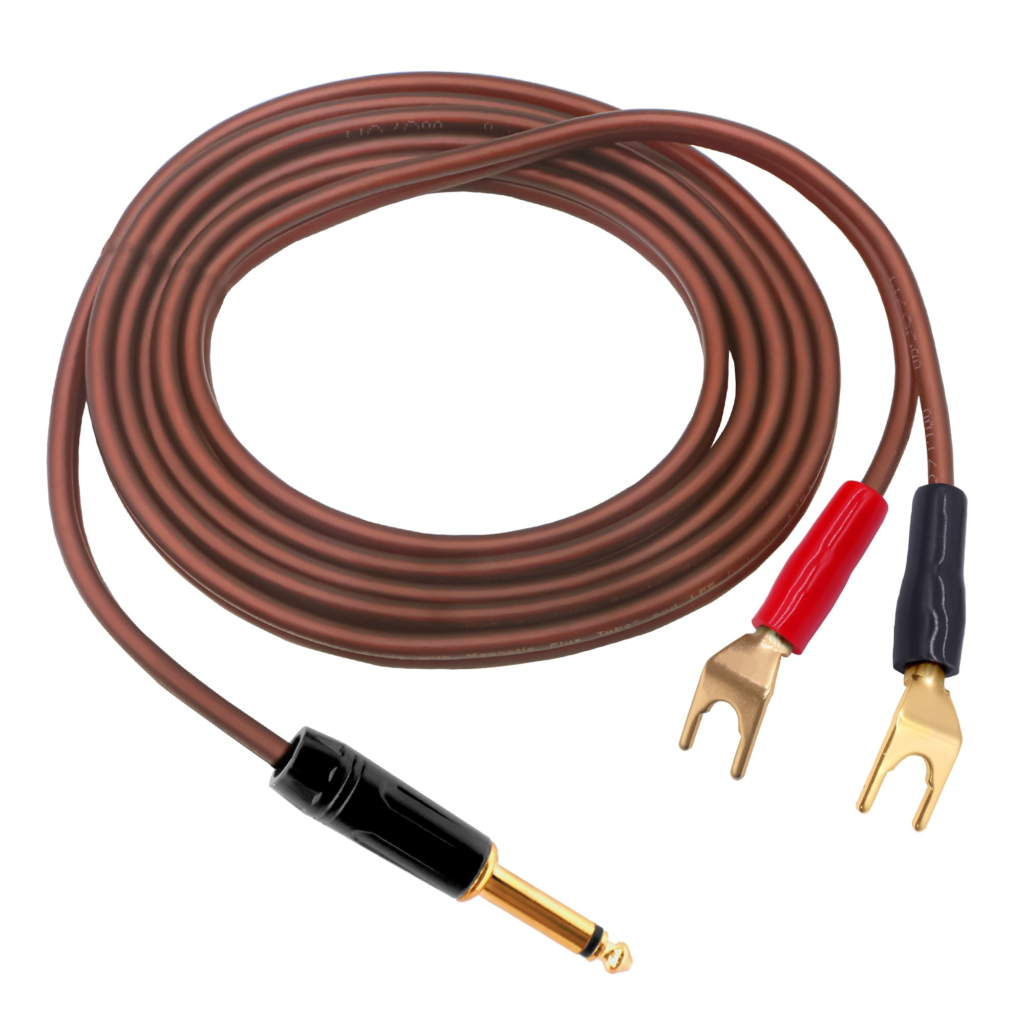
For keys with binding posts: Connect the 2 wires to the binding posts on the key. You can either cut an audio cable and install connectors or find a speaker cable with dedicated Y/Spade connectors. It doesn’t need to be anything fancy, just enough to pass a ‘connected’ or ‘not connected’ signal to the radio.
Depending on your key, it may have binding posts, screws or solder points to use.
If needed, you can test if your key works with a multimeter. Set your multimeter to resistance/continutity and touch the 2 contact points/binding posts/screws. While touching, press down the key knob . You should see low resistance to indicate a short.
Where should the key sit on the desk?
This is a good question. There are many opinions online, but I will give my thoughts.
This is not just about comfort; this is about something called ‘glass arm’. Today, we call it carpal tunnel syndrome or repetitive stress injury. Since sendeing morse code is about speed and precision, it is especially hard on the arm, wrist, and hand. Glass arm was a debilitating injury back in the days of telegraphy – the telegrapher had to retire. You are not immune to this. Proper key placement and usage will prevent this injury. It is easiest to see key placement in action. Here is a video with a visual demonstration:
Recommended Reading
CW: A Way of Life – Learning CW by Chris NW6V – The presenter of the video above.
https://www.amazon.com/CW-Way-Life-Learning-Digital/dp/B0BXNBDJRS
Good Beginner Straight Keys – In My Opinion
You can find these at nearly every hamfest for a reasonable price. If it is not mounted, you can buy a small wooden plank or a metal plate with felt on the bottom. This is not an exhaustive list; there are too many to list. But in general, if it feels good to use, has tension and gap adjustment, and is not corroded, you are probably fine. Don’t plan on spending more than $75 on your first key.
This list is not exhaustive. Here are a few suggestions. If you see a key for sale that is not on this list, try to follow these few guidelines:
– Less than $100 – An expensive key will not improve your code
– Adjustable gap and tension spring
– Good cosmetic condition (no rust, no missing parts, etc)
– Action is not gritty/gummy or sluggish
– Solid base or ability to mount on a base.
– No slop in the key (side-to-side movement)
Common Straight Key Comparison
Here is a quick table with the keys listed below
*Prices from 2026
| Straight Key | New/Used | Average Cost | Where to Find | Needs Base or Mount? | Type of Connection | Notes |
|---|---|---|---|---|---|---|
| J38 & Variants | Used | $30 | Hamfests, Internet | Yes | Binding Post | Very common, very cheap |
| Xiegu VK-5/Putikeeg | New | $50-75 | Internet | No | 3.5mm Jack | Manufactured today |
| Navy Flameproof | Used | $50 | Hamfests, Internet | Yes | Binding Post | Common, favored by many operators |
| D117/K4 | New/Used | $65 | Internet | No | Pre-installed Cable | Easy to find on eBay.com |
| RM-31 Flameproof | Used | $75 | Internet, Rarely Hamfests | No | Soviet Style Connector | 90s Surplus, very durable |
| Soviet TK Key | New Old Stock/Used | $50 | Internet | Yes | Solder Pad | My favorite budget key, lots of Soviet surplus |
| Soviet Practice Key | New Old Stock/Used | $25 | Internet | Yes | Solder Pad | One of the cheapest keys online |
J37/J38/JJ38 – $
Other J38 Variants: Nye Viking Speed-X, Ameco K4
The J-38 key has lots of clones and remixes over the years, but they are all basically the same. The original J-38 was made in the early 1900s and was the main key the US used during WW2. The surplus of these keys has disappeared, so many you will see are copies and clones. You probably won’t find an authentic WW2 J38 key.
About J38 variants: Several companies mass-produced these keys for decades. They are very common, and many older hams learned on these inexpensive keys. There may be slight differences between them, but they are basically the same. Today, nearly every CW operator has 1 a J38 variant. These are very inexpensive and very common – great points for a learning CW operator. These are commonly found at hamfests and used online ads for less than 50$. Common models: JJ38, Nye Viking, Ameco K4, and many more.
For a beginner, these are great keys. Simple, cheap, and very common.
Be aware that these work best mounted to something heavy. A wooden plank or metal sheet works great. I have used a wooden plaque sign, hollowed out the bottom, and filled it with lead shot to get to my desired weight.
Xiegu VK-5/Putikeeg Straight Key – $$
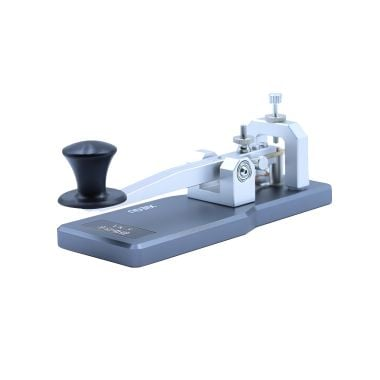
This key is unusual because you can buy it new right now! Xiegu brands this, but you may find clones and copies with other Chinese names. It looks similar to a replica Marconi key, specifically the 213.
Another unusual aspect of this key is its construction. Most keys at this price point are plastic. Plastic is not bad; there are plenty of great plastic keys. But the only plastic on this key is the knob. This key is made from Aluminum and other alloys for a nice, heavy feel.
A fantastic plus is that it comes equipped with a 3.5mm jack. No need to butcher or get a fancy cable! Just plug in, and you are sending code. They also have a rubber sheet on the bottom, so the key doesn’t walk around on the desk.
Some users have reported that the quality control is lacking, but the minor defects can be easily mitigated with some creativity and elbow grease.
For the features and the low price for a NEW key, this is a great option.
I have personally tried one. And the knob is very nice. A simple adjustment and you are sending code. The weight is nice, not too heavy. The rubber mat it sits on grips the desk well.
Just look on AliExpress, Putikeeg, or Xiegu websites for this key. Price varies depending on where you look, between $50 and $75.
Navy Flameproof (CMI-26003A) – $$
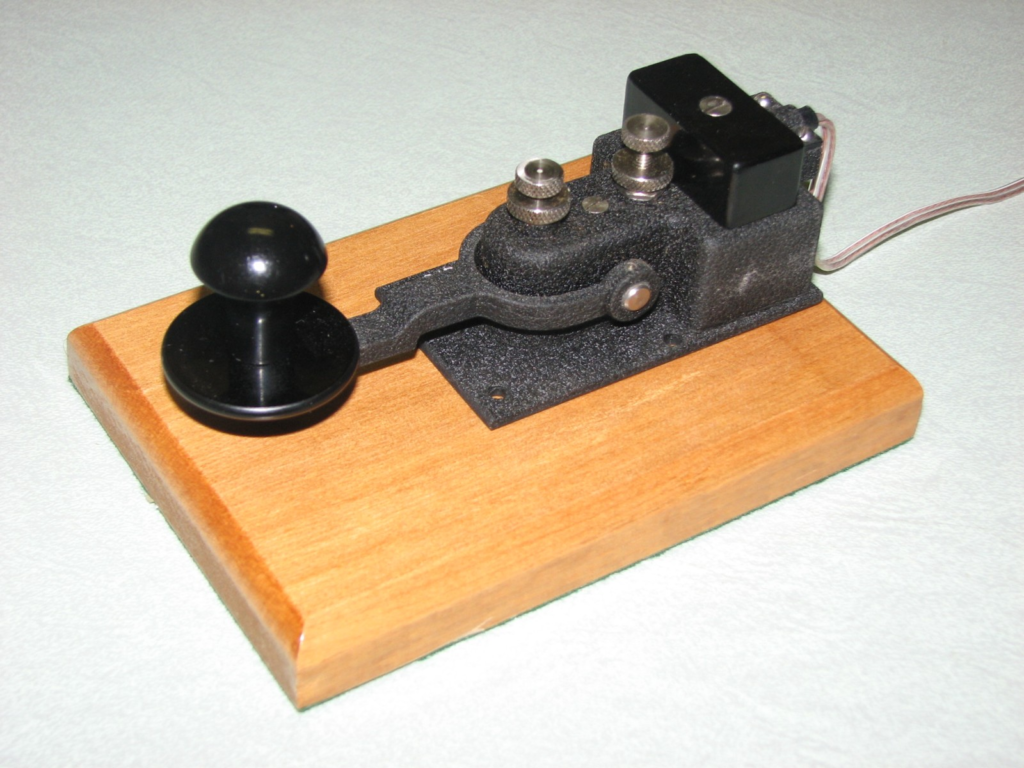
This key is a favorite among CW operators because of its history and feel. The US military made many of these during WW2 and after. They call them flameproof because the contacts are enclosed to prevent sparking in explosive environments. They were used on ships and planes. Unfortunately, these keys are going up in price. If you can find one for a reasonable price, great! Otherwise, a less ‘collectable’ straight key may be a better option. I usually see at least 1 at every hamfest.
I had one of these. Very nice feel, very easy to service and clean up. There are several sellers online that make heavy bases that this key can be mounted to. If you need to, you can also find replacement key parts.
Online prices are about $75. Hamfests I have seen sell for $25-$75.
Chinese D-117/K4 Key $$
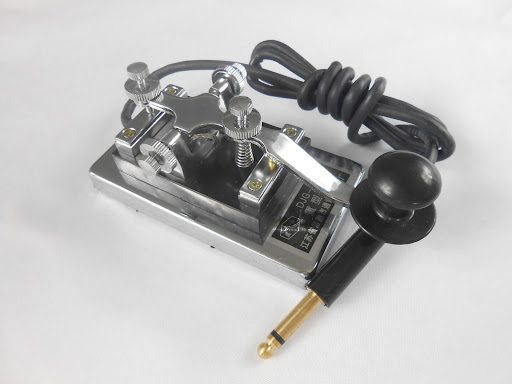
The D-117/K4 key is a Chinese-made key that is pretty unusual. These keys were made for the Chinese military from the 1960s. You can find surplus keys, but most of the ones for sale are clones
I owned one of these. It is fine. It is nice and heavy, so it doesn’t dance around the desk. Doesn’t need a base.
The common consensus is that the spring is extra strong. You may find your wrist getting tired. Also, the machining around the adjustment knobs can be pretty rough.
The current price online is about $50-$75
Czech RM-31 Flameproof Key – $$
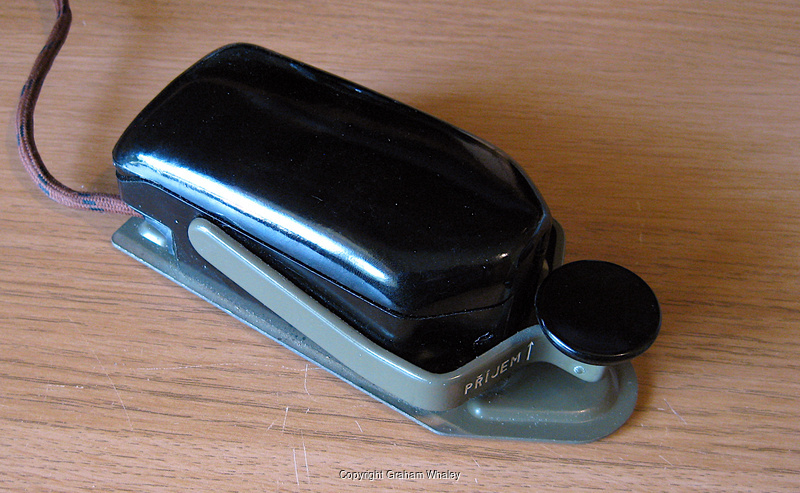
This is a surplus key that was common in the 90s after the USSR split. It was used on the tanks, which is why it had a flameproof design. The keying action feels great, and the key itself is built like a truck. I put a rubber adhesive mat on the bottom, and it stays in place. I also had to replace the cable; the old one was in bad shape and used a strange plug.
This key feels great and is very neat. Very sturdy!
Unfortunately, the surplus of these has dried up. They can cost $75 or more online.
Soviet TK/Cherkasy Key – $
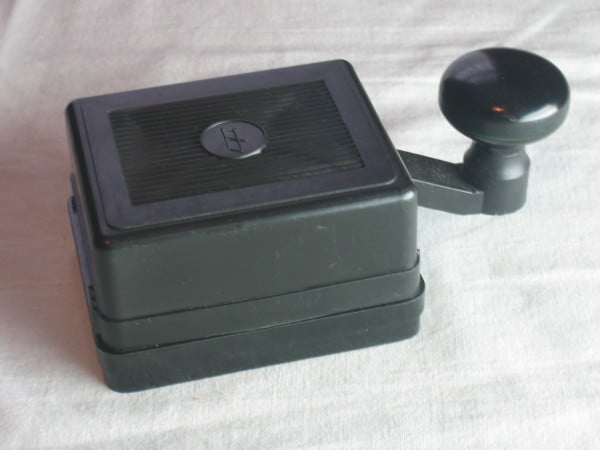
This is one of my all-time favorite keys. On paper, this key is nothing special. Bakelite plastic, new old stock from the former Soviet bloc. Most were never used because they were made in the late ’80s. When the Soviet Union dissolved, there were warehouses full of these keys. Lots of surplus sellers online sell these for very reasonable prices. As of 2026, there are still surplus and new old stock keys. Once a base is installed, this key is magnificent! It has no business feeling this good and being as durable as it is. It has a chatter/clack that is NOISY! I put a piece of paper under the key stop, and that helped with the chatter.
I paid about $35 in 2021 for one of these keys and mounted it on a wooden base. The only key that felt better than this is my German Junker key, which was much more expensive.
This key has 1 drawback. Getting the cable into the bottom of the key is difficult. I have found the best way to install a cable is to drill a hole in the bottom of the key, feed a cable into it, and solder onto the pads. Then use some superglue and zip ties to prevent the cable from pulling out.
There is a version of this with a filter base. These filter bases are not needed with modern radios.
New old stock prices are $50 + tariffs & shipping from Eastern EU.
Soviet Practice Key – $
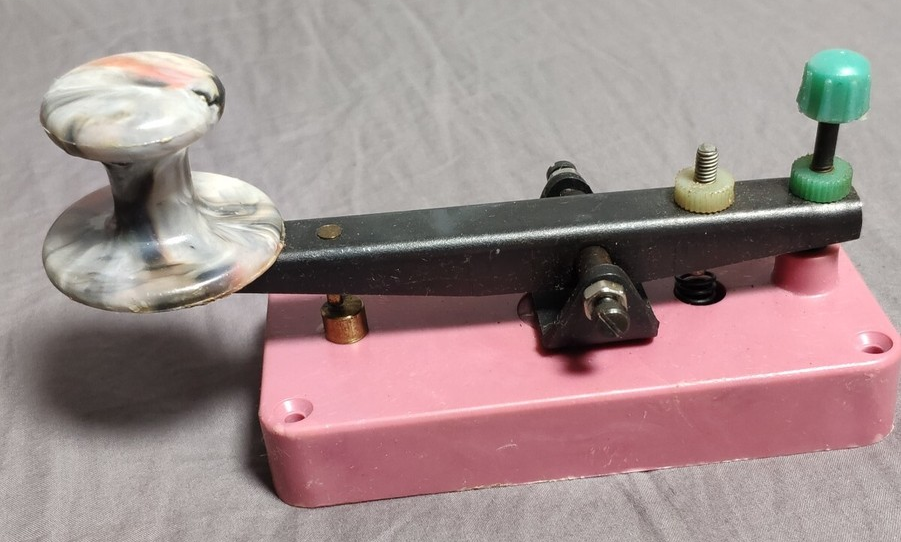
These old keys are pretty interesting. These were issued and used for Soviet radio operators learning Morse code. The Soviet Union made many of these keys, so you can find them for less than $20! Probably one of the least expensive keys you will find online. The knobs can be fun colors. These keys were used in training Morse operators, so they are pretty basic. But basic is good enough to learn from. I had one of these to try out, and it is perfectly acceptable. I had other keys I liked more, so I sold it.
Not common at US hamfests. Great for a conversation piece and for learning code. They may be a bit rough, but fine for practice.
As I said above, these keys can be found for $25 or less. Plenty of stock from old warehouses in Bulgaria and Ukraine.
Keys I Wouldn’t Recommend for a First Key
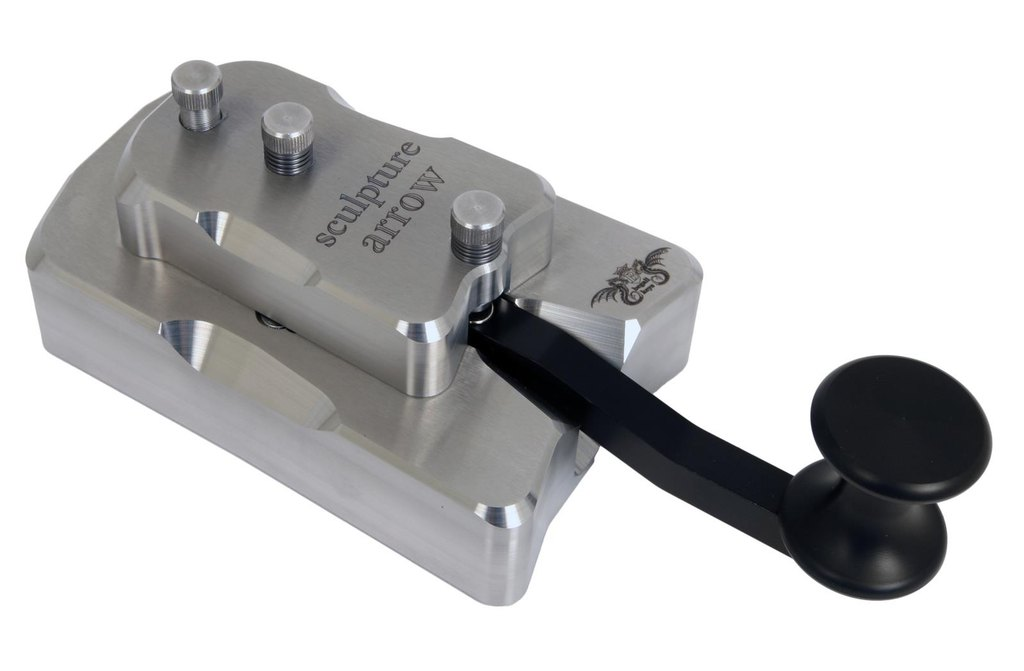
Boutique/Premium Keys* – $$$
I am lumping lots of keys right here, including my daily key.
What is a boutique key? These are premium keys. They don’t have more features than a standard key, but have a premium feel. They can be used or new, but are usually very collectable.
I personally use a German Junker key. These were premium keys and were made from the 1920s to the 1980s. Mine comes from the 60s or 70s.
Regarding the Junker key, this is not a bad key. In fact, it is my favorite key. But beginners don’t need to spend this kind of money on a key.
This key is a boutique key that I use often. In my opinion, it is one of the finest keys that you can buy. Unfortunately, they command a high price. I love this key. But I also paid over $200 for it.
In my opinion, there are plenty of good straight keys that are very common and very affordable. I have a nice straight key because I have practiced and rewarded myself with something nice.
In general, a straight key that costs over $200 I would consider to be boutique.
Also, be aware of historical keys or keys that have a ‘story’. Some antique telegraph and railroad keys can be very expensive but may not be as ergonomic or as easy to use as a modern key.
3d Printed Straight Keys
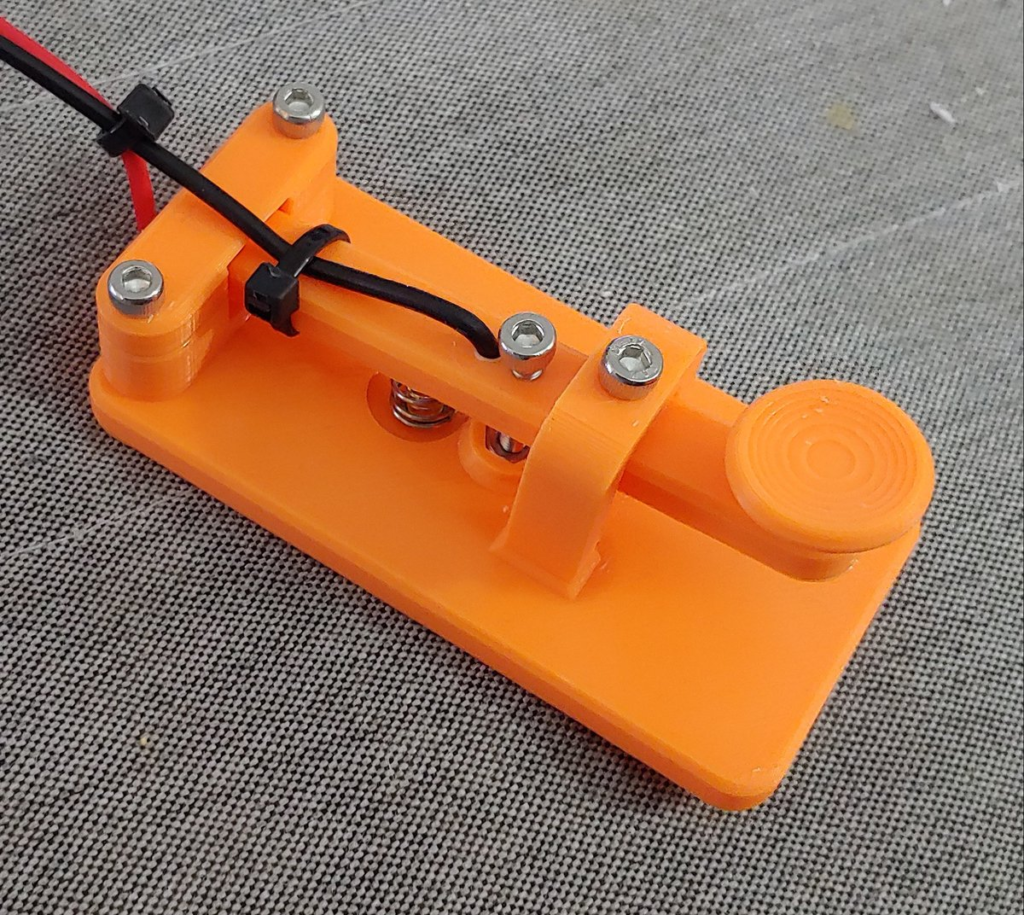
3d printing is a great new technology for prototyping. The arms flex, which could affect the timing of your keying. They are better than nothing, but a J-38 clone can be found at a hamfest for the same price. I can also guarantee that a J-38 will last longer. Use one if you have one. Make one if you feel inclined. But don’t feel the need to own one if you don’t have one.
Collector’s Edition Keys
These are expensive versions of common keys. Unless you are a collector, you can find an exact model and save lots of money. Examples of collectors’ keys include Vibroplex anniversary keys, SKCC limited-run keys, and WRTC competition keys.
Think of these as trophy keys – great to look at on the shelf, but not really for using on the air.
Unusual, Exotic & Historic Military Keys
Military surplus is a strange topic. True, there are several keys above that are or were former military surplus. But not all are created equal. Some belong in a museum, and others are very expensive simply because of what they are. Military surplus used to mean inexpensive and of solid quality. Now they are collectors’ items and command collector’s prices.
I have seen authentic WW2 German keys for sale, and I considered buying one. But the $150 price tag is hard to swallow, especially since I have many other fine keys. And these keys don’t send code better than other keys.
Mini Straight Keys
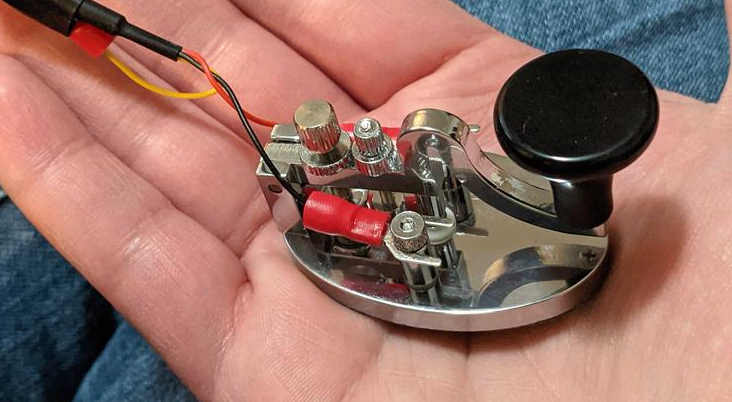
I know they look cute, but they are not easy to use. These are more eye candy than usable tools. It is very difficult to get enough weight on them so they won’t slide on the desk. Just skip these and save the achy wrist. If you want a portable straight key, a J-38 on a mobile base is pretty small. If you really need something that small, a portable paddle would be more practical than a mini straight key.
Example: Soviet mini key, Vibroplex Camelback.
What is the Straight Key Century Club, SKCC?
The SKCC is a club of passionate individuals that specializes in manually generated Morse code. This can be from straight keys, sideswipers, and semi-automatic bugs. They host contests, give out awards, host conversation groups, and have lots of content and information.
Membership is free and highly recommended if you want to use a straight key on the air.
To learn more about the straight key and straight key operation, visit the Straight Key Century Club (SKCC). https://www.skccgroup.com/